
Why Do Public Libraries Exist?
Public institutions such as public libraries exist for a simple but profound reason: they ensure that every person, regardless of income, background, age, or political belief, has access to knowledge, opportunity, and a shared civic space. They are among the few places in American life where a child discovering a love of reading, a parent seeking job resources, a student completing homework, and a senior researching family history can sit under the same roof and be equally welcome.
Libraries help level the playing field. They provide free access to books, technology, educational programs, and reliable information so that learning and self-improvement are not privileges reserved for those who can afford them. In doing so, they strengthen literacy, workforce readiness, and lifelong education, benefiting both individuals and the broader economic health of communities.
These institutions also preserve the stories that define us. Local archives, historical records, and cultural collections safeguard the memory of towns, families, and regions so future generations can understand their shared heritage.
Just as importantly, libraries offer neutral and inclusive public spaces. In an era when civic life can feel divided or commercialized, libraries remain open to all and guided by principles of intellectual freedom, privacy, and equal service. They are places where people gather not as consumers, but as citizens.
Who Do Public Libraries Serve?
Because public libraries serve everyone, policies that threaten their funding, governance stability, or professional independence affect everyone. When these institutions are weakened, access to information narrows, educational gaps widen, and communities lose trusted spaces dedicated to the public good.
This is why Raven Rock Media Group believes speaking up matters.
Raven Rock Media Group is headquartered in Washington State and proudly serves clients throughout the Inland Northwest, including communities across Idaho. Our work centers on strengthening local voices, supporting small businesses, and reinforcing the community institutions that help towns and cities thrive. The well-being of our neighboring states directly affects the people, organizations, and audiences we serve.
Strong communities depend on governance structures that are clear, accountable, and protected from unnecessary political interference. Public libraries function best when their leadership models remain stable, professional, and insulated from shifting political pressures.
Who Hires & Fires Library Directors?
Under current policy, Library Directors are hired and, when necessary, dismissed by local Library Boards of Trustees. These trustees are appointed by mayors and confirmed by city councils, ensuring democratic oversight while preserving clear lines of responsibility. Boards establish policy; directors implement it. This structure promotes operational clarity and professional independence.
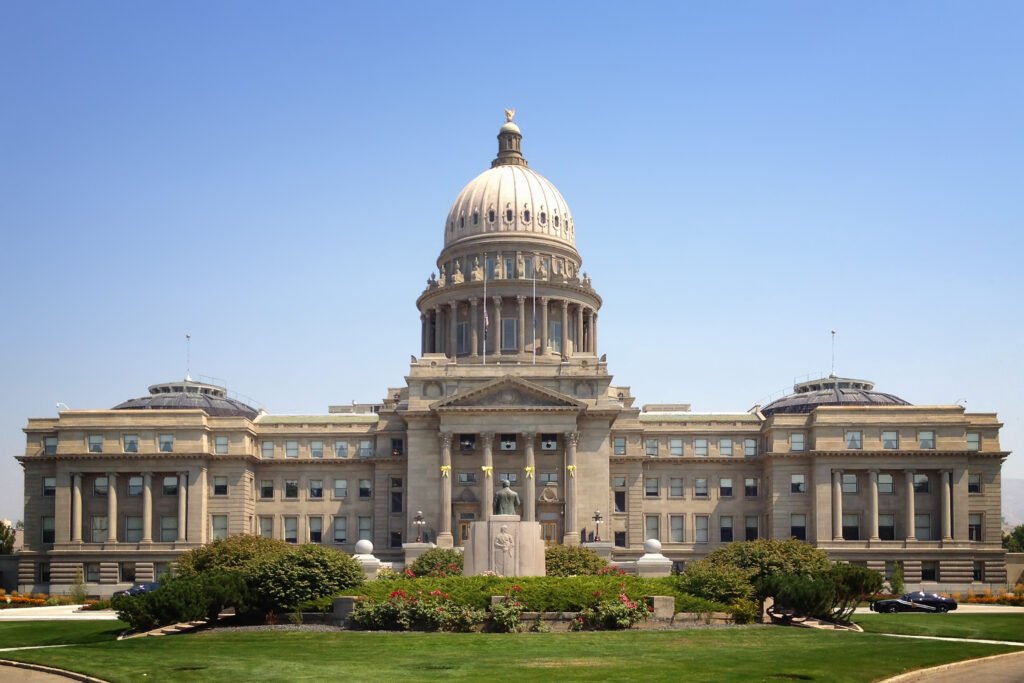
Proposed legislation in Idaho would alter this framework by inserting a majority of city council members directly into hiring and firing decisions. Such a change risks blurring governance lines, creating conflicting chains of authority, and introducing political pressures into roles designed to serve the entire community with neutrality.
Raven Rock Media Group supports governance systems that prioritize accountability, clarity of responsibility, and protection of public institutions from unnecessary politicization. Safeguarding public libraries means safeguarding equal access to information, preserving community memory, and maintaining civic spaces that serve everyone.
Proposal to Idaho Legislators
For these reasons, we encourage Idaho legislators to oppose measures that may compromise the professional independence and effective governance of public libraries. Protecting these institutions protects the communities that rely on them. Communities function best when institutions remain focused on service, not politics.
To learn more about Idaho public libraries please visit the Idaho Commission for Libraries.
Want to thank RRMG for offering this post? Share it with someone you know, add a link to this page, or follow us on social media.